
Mezzanine financing is flexible capital when senior debt isn’t enough
Mezzanine loans sit between senior debt and equity. When structured correctly, they can help close gaps in acquisitions, refinances, and growth projects.
Request Financing








Is Mezzanine financing right for your hotel?
Mezzanine loans are...
Supplemental capital designed to bridge gaps between senior debt and equity.
Mezzanine loans are not...
Cheap, simple financing or a substitute for senior loans.
Where Mezzanine Financing Breaks Down
We’ll help you evaluate whether mezz fits your deal and how it should be structured if it does.
Challenges with Mezz loans
How Bridge helps
How Mezzanine financing works with Bridge
Review your capital stack

Match and structure

Drive through closing
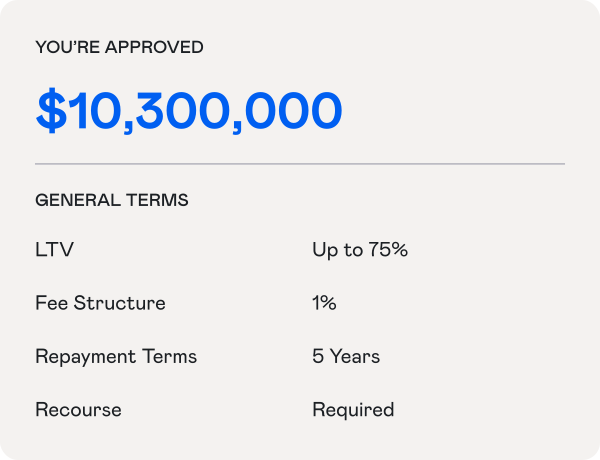

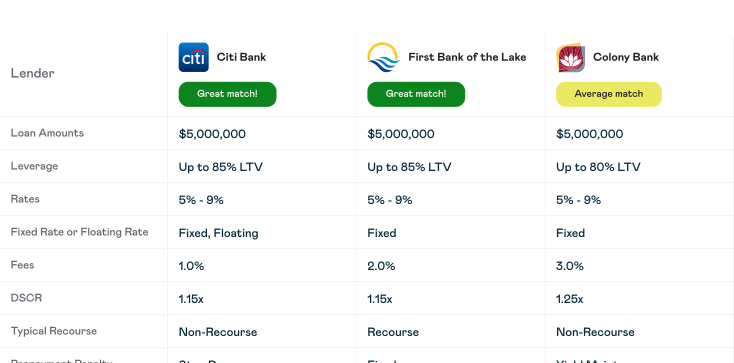
See How Easy Bridge Really Is
In 1 minute, our CEO will walk you through the loan request process so you can see just how simple accessing capital can be.
You're In Good Company
Ready to get the Mezzanine Financing your business needs?
Get StartedFrequently Asked Questions
Mezzanine financing is capital that sits between senior bank loans and equity. It helps fill the gap when a bank loan doesn’t cover the full amount you need, without requiring you to give up more ownership.
Senior debt (bank loans): Lowest cost, but limited in size and flexibility.
Equity: Flexible but requires giving up ownership.
Mezzanine: Higher cost than bank debt, lower than equity, and lets you keep control while getting the capital to grow.
Businesses with strong, predictable cash flow, like established hotels or growing CPG brands, that need extra capital for acquisitions, expansions, or large projects but don’t want to dilute ownership.
Amounts vary, but most mezzanine lenders offer ranges from $2 million to $50+ million.
Mezzanine financing is typically more expensive than senior bank debt because lenders take on more risk, but it’s less costly than raising new equity since you keep ownership. Rates and structures vary by lender, which is why comparing terms matters.