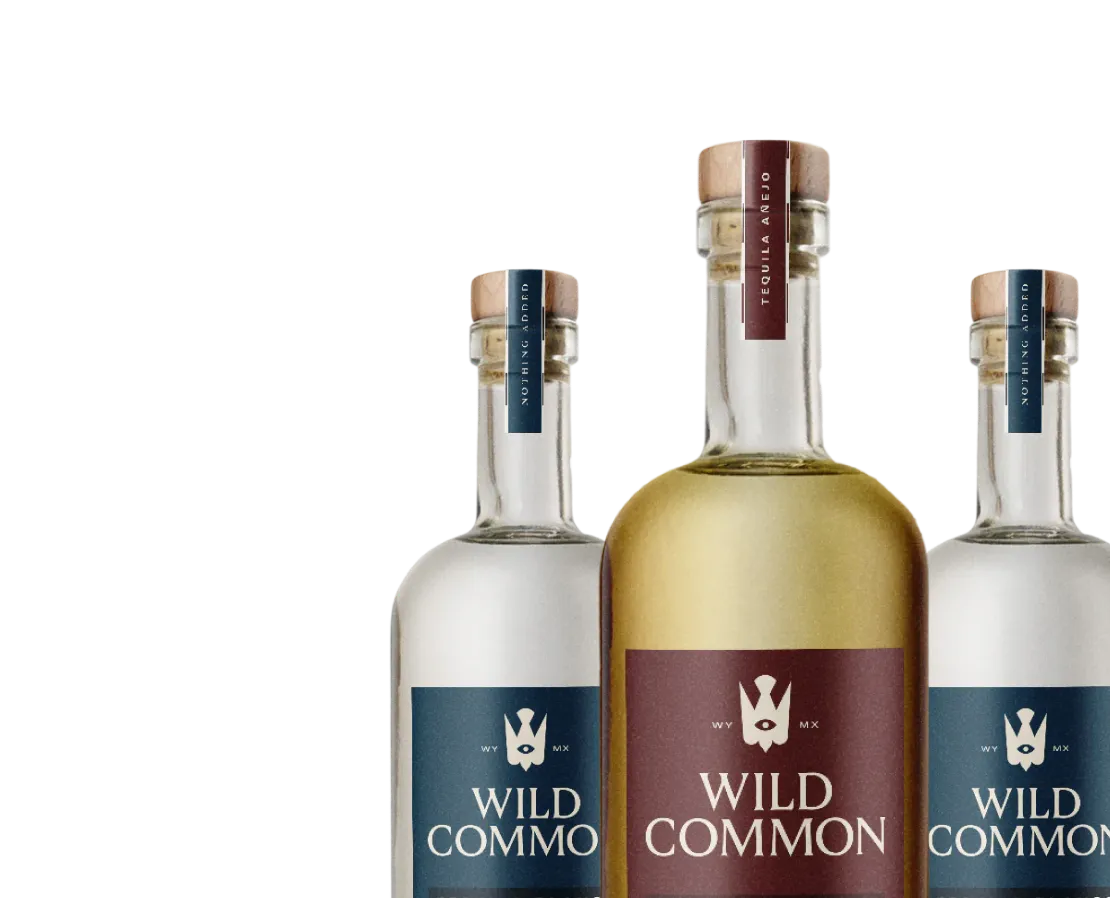
Most spirits founders don't get into the business to spend their weeks comparing credit facilities. Andy Bardon, CEO of Wild Common, certainly didn't. He got into it to make additive-free tequila and small batch mezcal that bartenders actually want to pour. By the time Wild Common landed on craft cocktail menus across the country, the brand had a different kind of problem on its hands: demand was running ahead of the capital it took to keep inventory on shelves.That's a good problem. It's also the problem that quietly kills good brands.
The real issue wasn't access. It was time.
Wild Common's fractional CFO Paul Ferguson (now full-time CFO) had been through the bank search before. He knew what it looked like: weeks of intro calls, half-fits, lenders who wanted a different stage of company, term sheets that wouldn't survive committee. Meanwhile, the production calendar doesn't care.When Paul brought the deal to Bridge, the goal was simple. Get Wild Common a credit partner that fit where the business was going, not where it had been. And do it without turning the CEO into a part-time loan officer.
What Bridge actually did
Bridge started inside the underwriting reality for a fast-growing spirits brand: high inventory needs, seasonal cash conversion, a founder-led story that had to translate to a credit committee. We structured the request to hold up to that scrutiny before it ever hit a lender's desk. Then we ran the process.First National Bank of Omaha turned out to be the right fit. Not because they were on a list, but because their appetite, their pace, and their view of growth-stage CPG matched what Wild Common needed for the next few years, not just the next quarter.
"We're not just providing a line of credit. We're building a relationship with a brand that has a clear, sustainable growth plan."— Jeremy Ehardt, FNBO